
Lighting up the Playhouse Theatre: PULP Reviews Paris is Burning
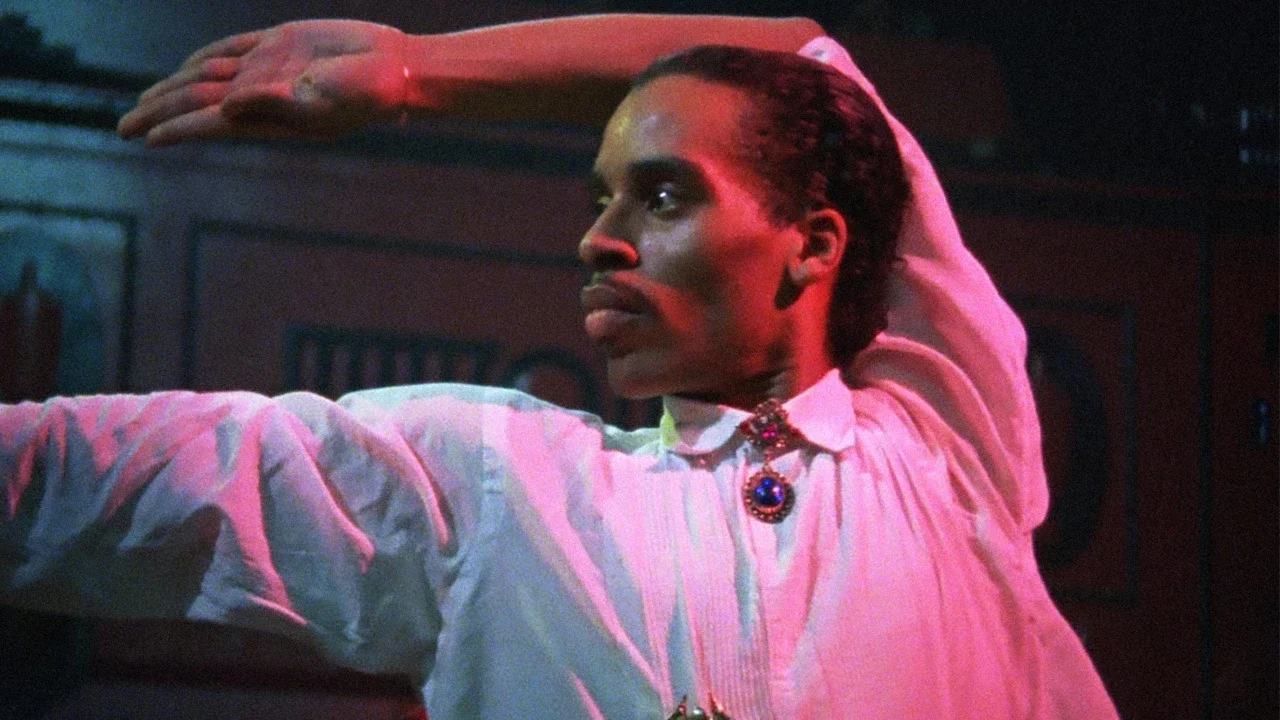
Paris is Burning (1990), Directed by Jennie Livingston
BALL
The outdoor seating of the Midden Cafe offers the perfect people-watching destination for nosy young adults and I, being nothing if not predictable, am scoping out my fellow Playhouse attendees. The crowd is well dressed and happily amorphous; the woman dressed casually in jeans and a t-shirt stands near the person in a trenchcoat and skirt, the gaggle of young adults shuffle between the older couple—the audience is straight, queer, old, young, and everything in between. Featuring new collaborations like Shortwave X Soft Centre, seminal avant garde films like Daft Punk’s Electroma and cult classics like Paris is Burning, the Sydney Opera House’s VIVID film line up is a curatorial delicacy that has Sydney’s arts-loving crowd flocking in; there are no empty seats in the theatre.
New York, 1987
Paris is Burning is a documentary directed by Jennie Livingston that explores the African American and LatinX Harlem drag ball community of the 1980s. With race, class, sexuality and gender orientation posing an often insurmountable barrier to mainstream recognition, members of the queer community would gain fame in their own circles through competing at balls. Competitors would walk the runway in a particular category, for example, “Executive Realness”, or “Shot on film”. The documentary is loosely structured by title cards, and cuts between footage of the balls and interviews with performers.
There is something both wonderful and devastating about watching Paris is Burning on the screen of the Opera House, where all art is glossed with the institution’s recognition as a cultural purveyor of taste. Many of the featured drag performers candidly express their dreams of being a star—and many did not live to see the film become an international success. At a time in which the rise of conservative rhetoric threatens to destabilise a lot of the rights that have been won for younger queers, there is a particular power in an institution of the arts screening a film that showcases the legacy of black and queer communities in shaping drag, art, music and popular culture. The roots of modern contemporary culture become more visible, as does the way the mainstream has freely appropriated black, hispanic and queer slang and fashion into a cultural currency of ‘cool’, without paying homage to the origins of this language or interrogating structural discrimination. The slang in particular strikes me, words like executive realness, mother, shade, legendary that I unconsciously associate with social media lingo, and now have an opportunity to witness their lineage.
Legendary
Shot on film, often from a slightly shaky handheld position, there is an intimate quality to Paris is Burning that is immediately alluring. There is no narration; the people speak and the story unfolds through their voices. The creativity of the drag artists walking the runway is awesome. There is a frank honesty in the community—about people's lives, prospects, wealth—coupled with the bravery to dream that is inspiring. As someone who follows Ru Paul’s drag race, I also have a new wonder for the role of the TV show in platforming drag performers, propelling queens like Violet Chachki or Raja onto high-fashion runways, and a new appreciation for what has been lost. In this era, drag Harlem balls were almost exclusively queer and predominantly coloured and the community was tightly knit. Early balls favoured ingenuity over consumerism, a facet of drag which now seems special rather than necessary with the growing popularity of designer drag attire.
Mother
Paris is Burning is a film that everyone should watch at least once. Whether you are queer or an ally, friend, parent, lover, there is a special place for this film at the heart of the community. If you want to have a true understanding of what the words chosen family means, then you have found the right place. At the heart of the film is the fight to create a sanctuary for love. Many of the people in the film, like Venus and Anthony, do not have accepting biological families. Instead, many members of the community are adopted by a drag mother and become part of a house, with a bond as strong as blood. The two women with grey hair in front of me, turn and look into each other's eyes at several points in the film, laughing, clutching each other’s hands. The girl to my left spends half of the film in tears, then wipes her eyes and smiles on the way out. When you watch a show at the Sydney Opera House, everyone has planned the outing, selected the film with care, and is there to immerse themselves in the atmosphere. The Playhouse ripples with laughter, tears and murmurs, creating a welcoming space for reflection.
Today in Australia, there are more opportunities for queer people in mainstream arts spaces. But it was not so long ago that there were practically none. And it remains a lot harder for those with cumulative social disadvantages to reach mainstream success, in or outside of the arts. Less has changed since the filming of Paris is Burning than I would like. In this turbulent political moment, it is more important than ever to reflect on what has been given (and stolen) from coloured and queer communities in the world of art and pop culture. To watch a film like this and take the time, breath and space to remember the love, pain, resistance, joy and anger that has inspired contemporary trends and social patterns. The film ends with a list of the names of people in the film who have been lost, to the AID’s pandemic, murder, or other causes and the theatre falls silent.
On the train home, words spoken by Dorian Corey in the documentary that inspired both laughter and a pang of grief travel with me, “if you shoot an arrow, and it goes real high… hooray for you.”