
The Boy Problem: Review of ‘Raising Boys’
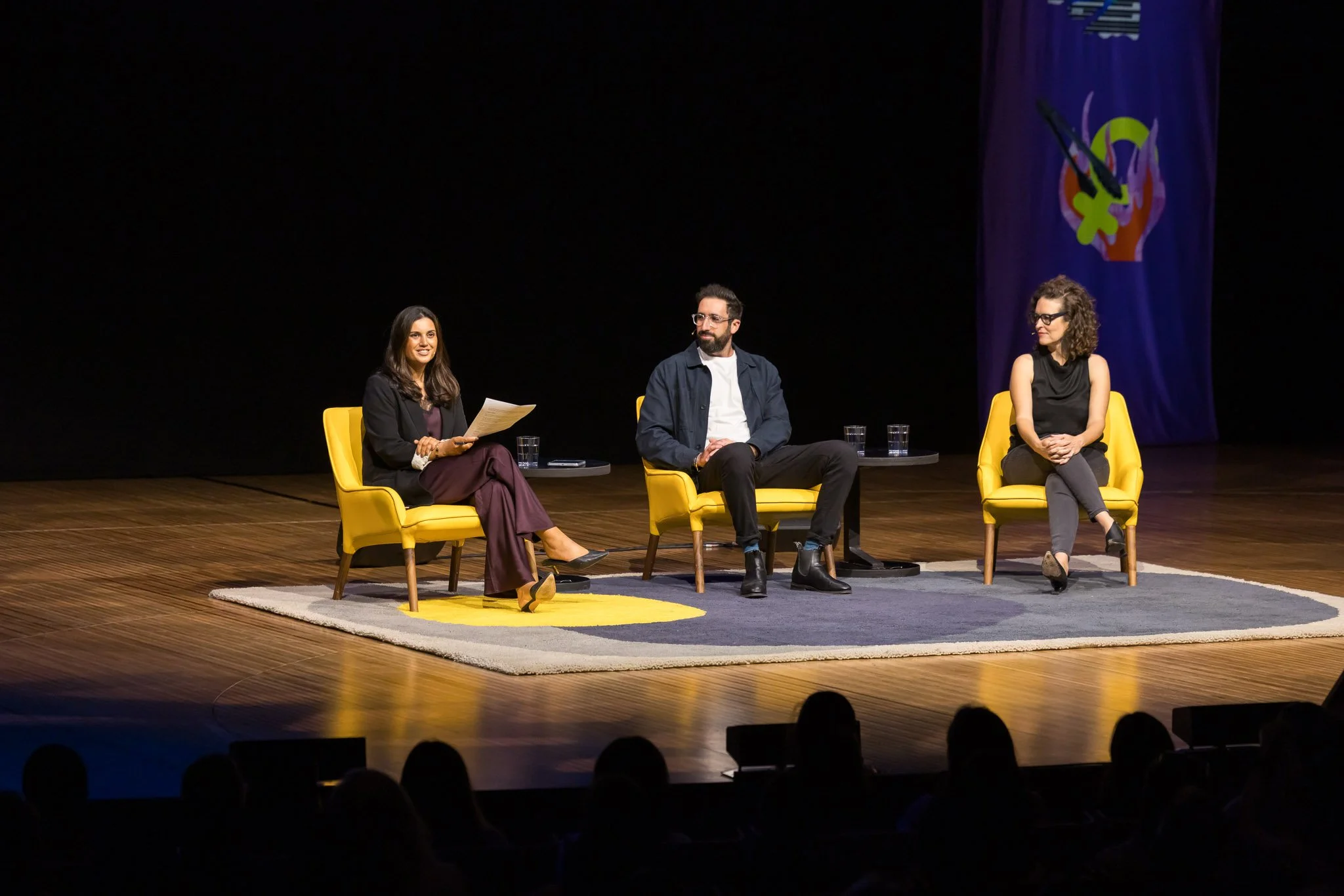
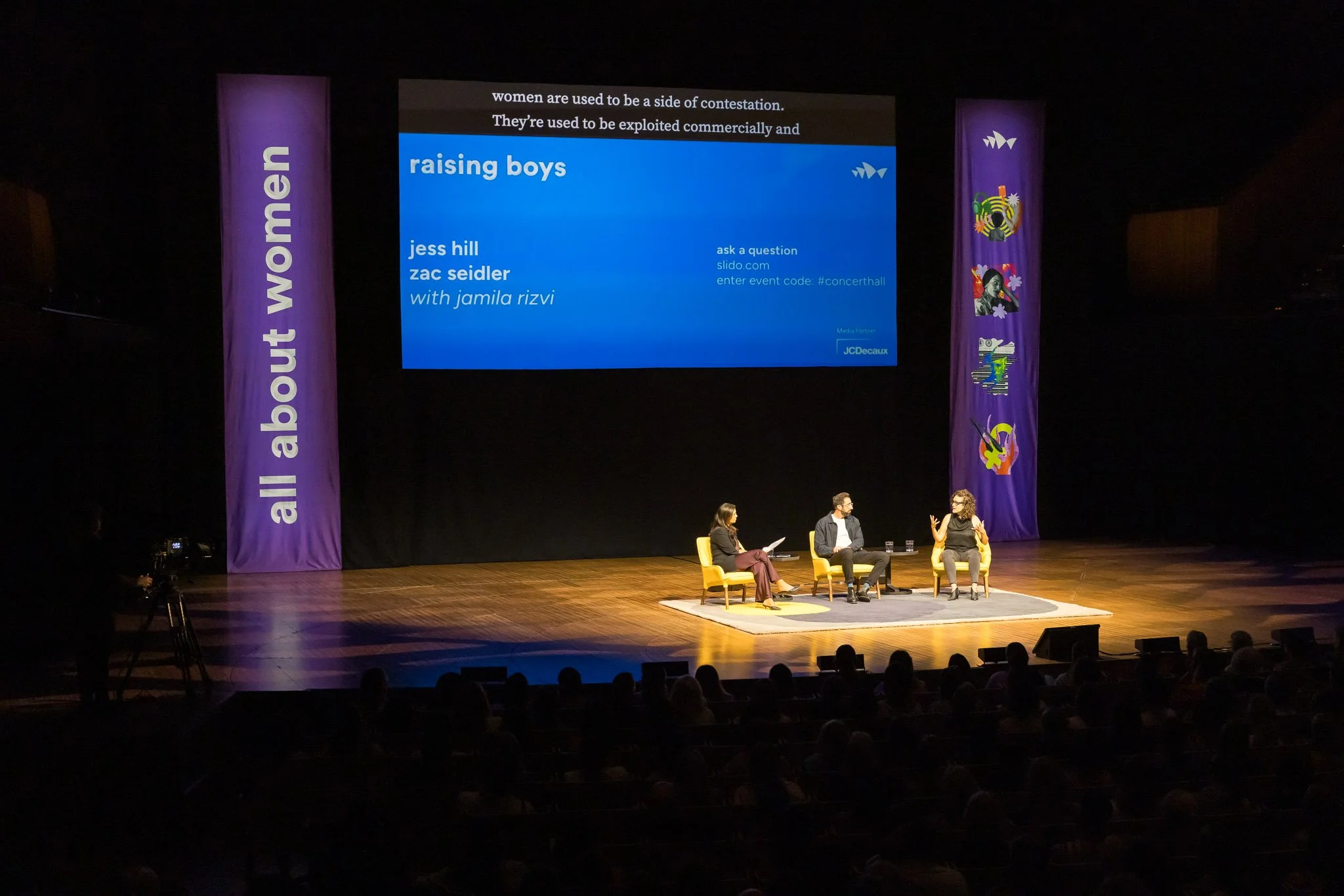
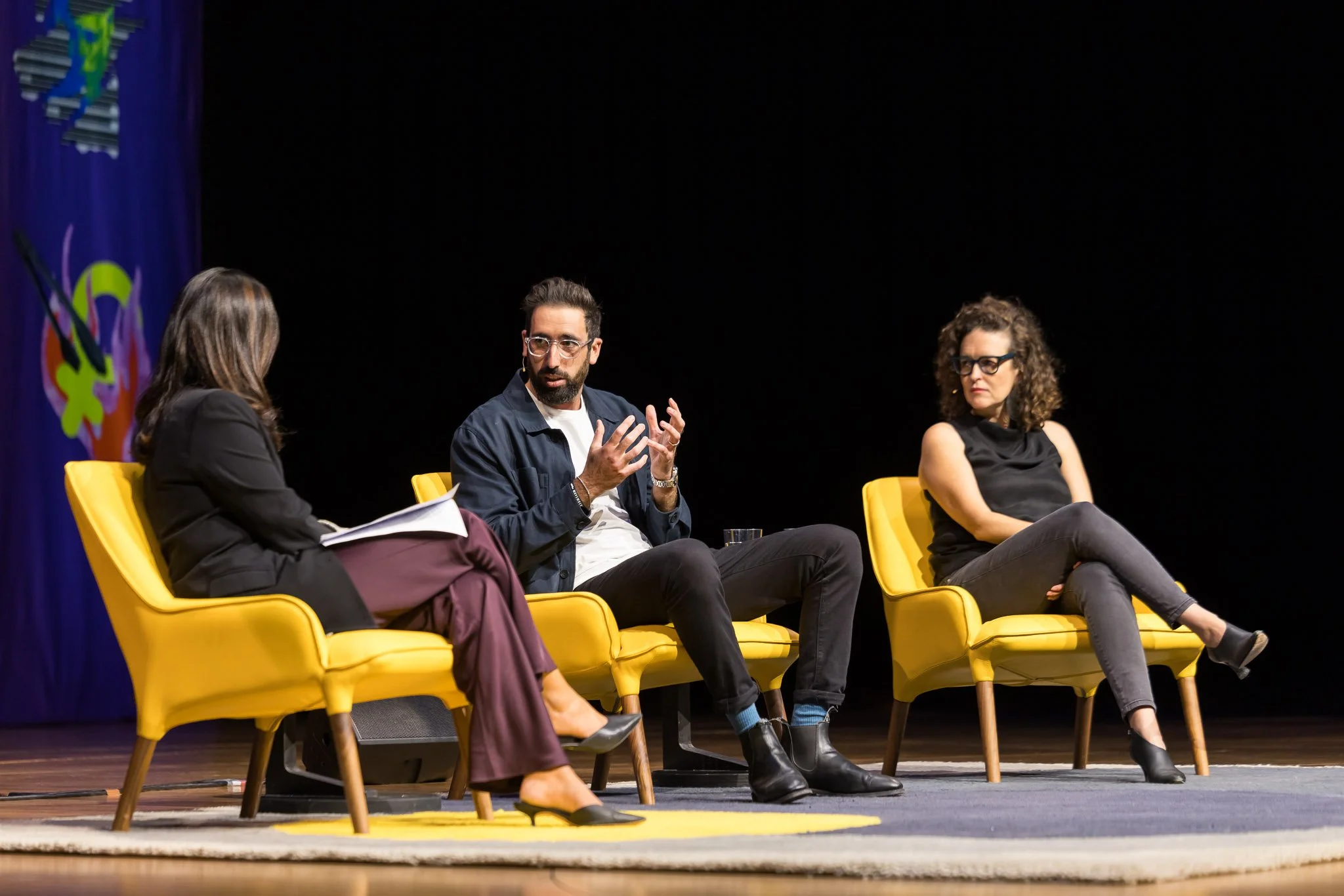
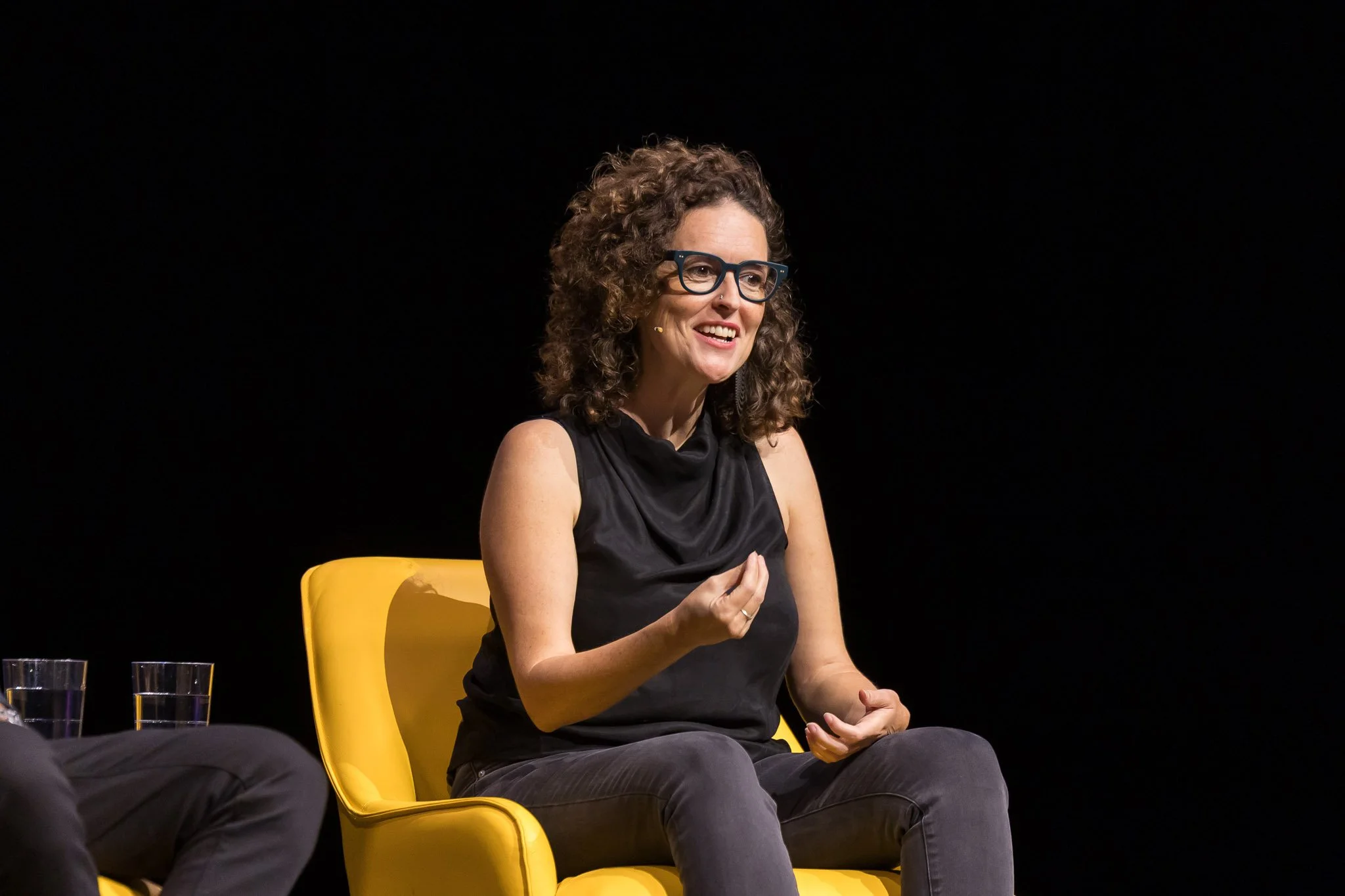
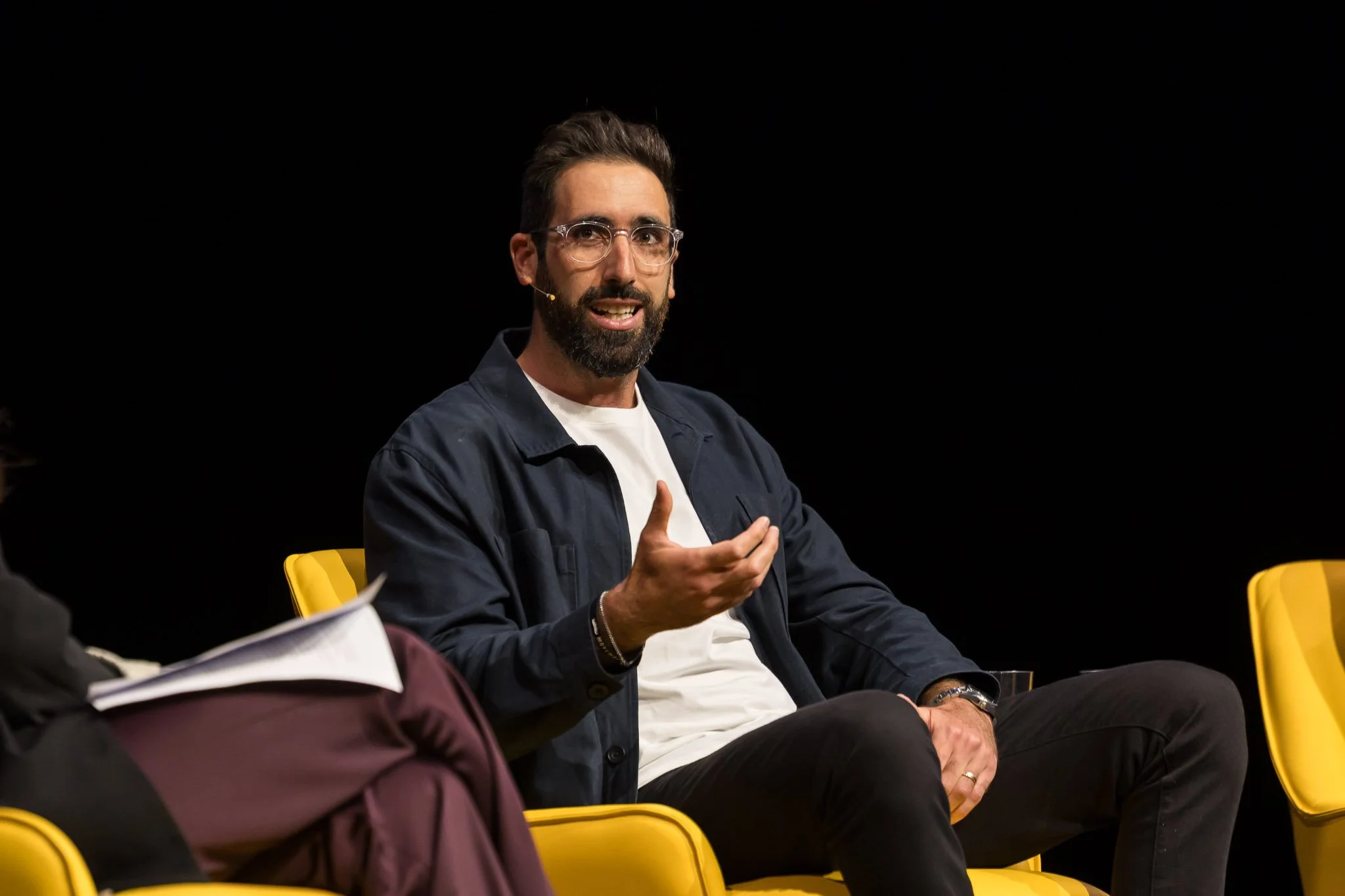
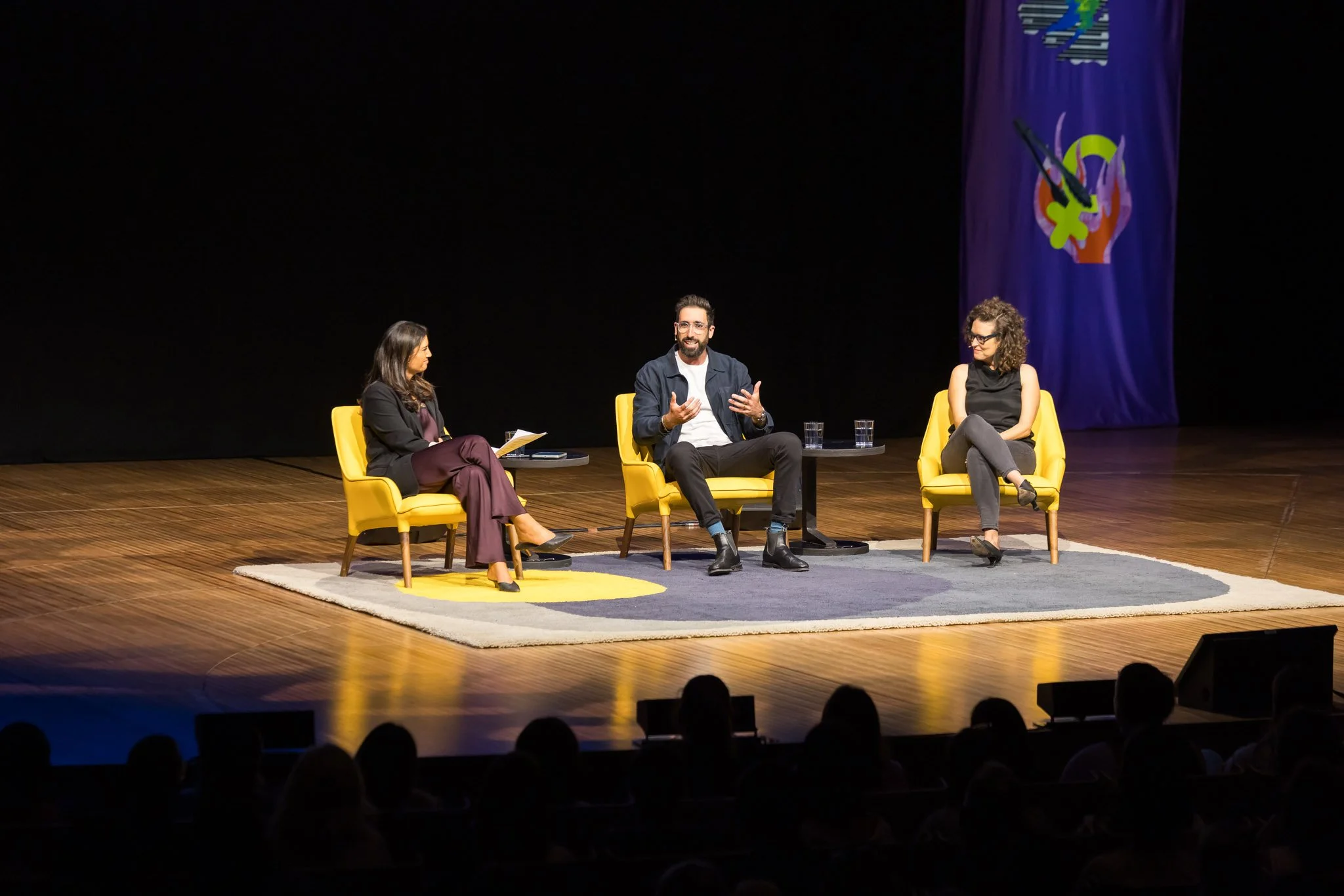
Raising Boys took place at the Sydney Opera House on Sunday 8 March.
We arrived without men, boys, or boys to be raised. My girlfriend and I—both Gen Z, childless, queer women—are as susceptible as anyone else to current anxieties surrounding poisonous cultures of masculinity, which was why, on the worst kind of Sunday in Sydney (hot but wet) we were in the reassuring air conditioning of the Opera House.
The talk: ‘Raising Boys’. The speakers: Jess Hill and Dr Zac Seidler, with moderation by Jamila Razvi. The event was the Sydney Opera House’s ‘All About Women,’ a talk series dedicated to gender and culture. It was also International Women’s Day, which made the subject at hand all the more stark. And the first question, posed by Ramzi: what’s going on with young men?
The truth seems hard to find. Conflicting reports claim that Gen Z men and boys are either less or more conservative than their fathers; that they commit less or more acts of gender-based violence (we’re not sure). Andrew Tate is a flash in the pan. Or he’s the ultimate apex of odious patriarchal power. Young men are getting better. Young men are getting worse.
It’s clear that boys have become, like never before, a site of intense political and commercial contestation. Seidler clarified that while young girls are, basically, used to being exploited, a politics (feminism) has been created to respond to this. Theoretically, feminism caters to men too, but in one aspect it’s certainly been unsuccessful; in showing men alternate ways of being.
Boys are experiencing a profound form of “identity collapse” about what masculinity looks like, and what it should be, and this brings grievance, loss, and confusion. But while women are trained to point that identity collapse inwards, men start doing things like posting videos of themselves breaking their jaws with a hammer.
Seidler asserted this; that “modern masculinity is a process of grief and loss.” And not in the manosphere, red-pill sense, but that the function of patriarchy is in isolating men from themselves.
I was reminded of bell hooks’ book The Will to Change: Men, Masculinity and Love (2003), which describes this as men’s “psychic self-mutilation.” Hill in fact mirrored hooks’ ideas in her response, saying,
“...men’s first act of violence is not against women. Their first act of violence is against themselves.”
Who doesn’t know a man who is clearly, painfully, out of touch with himself—who fears himself and his emotions? The process of boyhood is the severing of a boy's sense of emotional safety and truth in the name of power and strength. The people who perpetrate this violence are, for the most part, other men.
Many references were made throughout the discussion to how algorithms and social media are advancing and multiplying misogyny. Manosphere influencers, privileged by the outrage algorithm, are themselves obviously isolated—and the ‘solutions’ they offer are actually just products. Hill called social media platforms a “social experiment” on Generations Z and Alpha. Easy access to porn; dating apps “industrialising rejection”; and up until this year, no age restrictions on major social media connection sites. As Hill put it, “the horse has bolted, and we’re trying to put the door back on the stable.”
So what interventions work? The current of nerves running through the crowd was palpable. Mostly women and mostly parents, everyone around me was taking notes.
The panel agreed that amplifying good behaviour in all corners is a start. Seidler said that he runs influencer training programs as a way to push for better male role models online. Various apps and government programs were mentioned. Paid paternity leave was also discussed—Seidler, who has an eight-week old son, joked that he should take paternity leave when he’s twelve or fourteen, instead of now.
But really, Opera House?! Hill and Seidler are experts in their field, and clearly capable speakers, but they’d been set an impossible task. How do you raise boys? How do you bring up any kind of child, when they’re barraged on all sides by a culture that reduces them to political ones and zeroes?
Part of the problem being addressed was reflected in the audience itself. I couldn’t ignore what seemed like the ultimate patriarchal irony: that women are the ones expected to do the labour—of going to the Opera House, booking therapy appointments, monitoring children’s social media usage—to ‘fix’ masculinity. Seidler advocated for patience and understanding, and warned against falling into the trap of “over-policing” boys and men, which is the control mechanism of patriarchy in the first place.
Perhaps being a non-parent made me feel a little more sceptical, because phrases like ‘patience and understanding’ felt suspiciously like just another thing we (non-men) are expected to swallow down. There are only some aspects of manhood that women can be privy too; there are only some places we can go, and some things we can hear. There are limits to how meaningful women’s political actions can be, because our power and agency is limited in the first place. Because Seidler is right about over-policing, but agents of over-policing are generally other men. As Hill described it, “boyhood is inherently traumatising”—because it is both inflicted and self-perpetuated, cyclically and, primarily, by other men. The whole of human history could be the history of fathers traumatising their sons.
When asked about what he was watching on TikTok, my nineteen-year-old brother deadpanned: “alt-right propaganda.” Most boys and men are cognisant to the ways their attention is being commodified, and why, and to what end. Community amongst other healthy men is probably the only real way to safeguard against the alpha males of the world. Modelling good behaviour is necessary, instead of just posturing. An enormous amount of self-understanding is needed to be a parent, and more; a commitment to staying with emotions that feel horrible and messy. Seidler asked us to look for the “innate beauty” in boys, the same way we do with girls and women. I’ll be reminded of that every time I get on the bus—where, mysteriously, one always appears just in time to say, “after you.” Boys can be nice too.