
How To Brine Olives
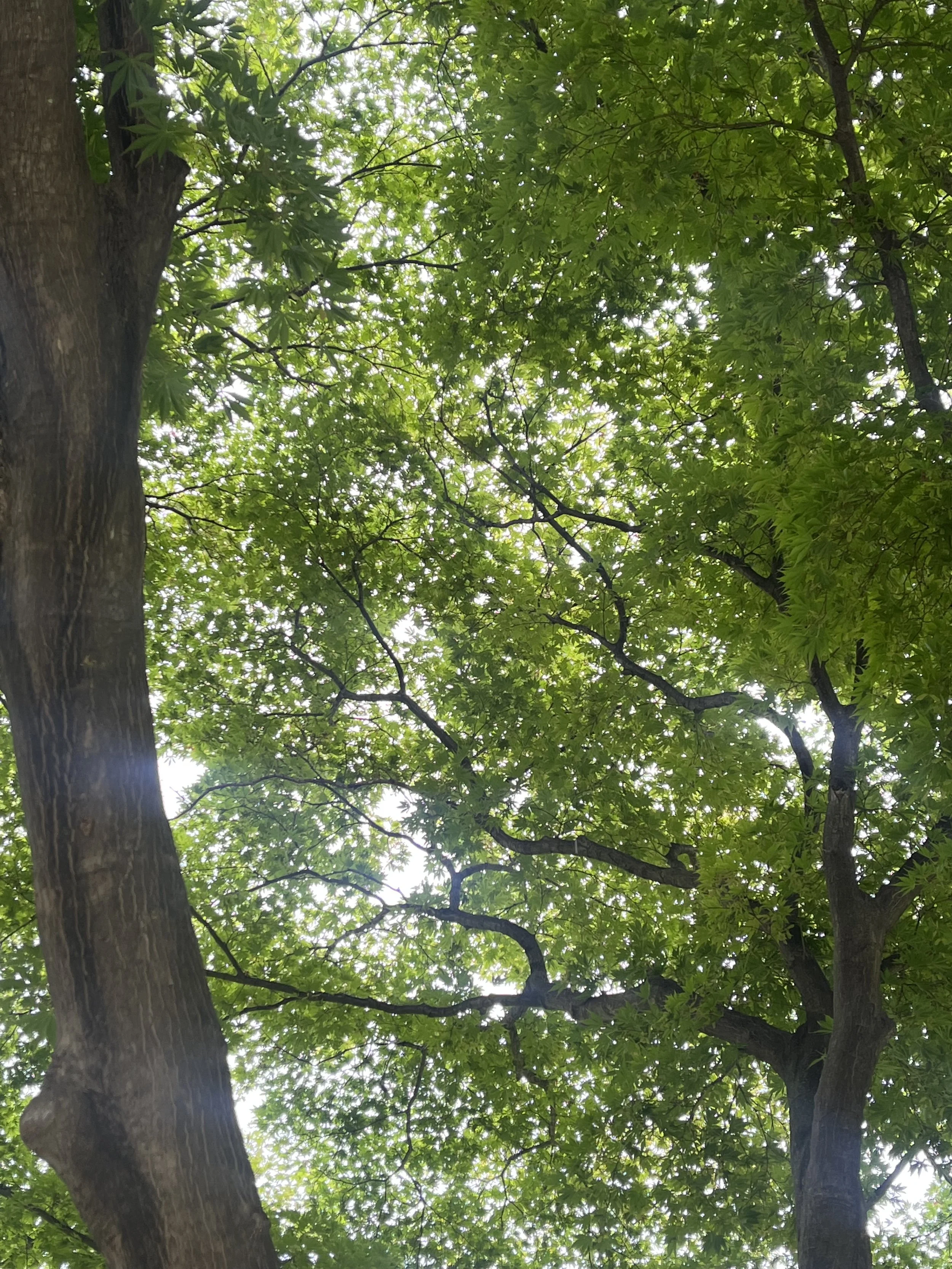
Pick your olives, making sure that they are dark and plump.
The Greek diaspora reminds me of the olives that have fallen around the trunk of my olive tree. Some have fallen on their own, others in aging clusters. The diaspora is the scattering of people, the communities that grow from the shared thread of being away from the same homeland. Being a part of the Greek diaspora is comforting in a sense, to have a connection to where you came from. Stuart Hall proposes that cultural identity is not innate but is something that is becoming, and is not only experienced but simultaneously taking place and developing. In the same way that olives leave a bitter, chalky taste in the mouth if you pick and eat them right from the tree, diasporic groups are compelled to change and grow over time. Like picking those dark olives straight and indulging without thought, I found that for me, accepting my culture without truly considering its significance and teachings was an unfulfilling experience. By reflecting on my culture, I can mould my independent life. The stories and experiences passed down to me take time to settle and ripen, like the olives on the tree.
You can smash the olives open and they can be eaten within a week. Or you can leave them whole, and they will be ready in a month.
My childhood memories are scattered with stories about patience; to avoid acting like Prometheus stealing fire and rushing the universe. Greeks love the slow life, something which is often incompatible with capitalism and an increasingly demanding world, where every waking moment requires productivity. Sipping on Greek coffee as the sun darkens your skin and lolling about for hours is valued just as much as having a good job. Although you can crack the olives immediately, you lose the enjoyment of watching the briney water turn dark and the olives blossom into a salty delicacy. Patience is a muscle that needs exercise, otherwise it atrophies. The same goes for the tree. We can play God and rush the course of nature by smashing the olives, but we lose the chance to watch our harvest become our own edible delight. We need this time of nothingness; the process privileges us with a slow life.
Before soaking the olives, place a raw, uncracked egg in your jar. Keep adding salt until the egg rises, then the water is perfect.
The cosmic egg is the symbol of the universe emerging from a single entity; the concept that everything we know and don’t, everything we see, touch, feel and experience, comes from a single point. The olive tree is one of the oldest living plants, having existed for millions of years. In its lifespan, it has grown untouched by human hands and been cultivated across the Mediterranean basin. The olive tree has seen the evolution of apes into humans, it has seen the face of the earth change, it has seen extinction take other fruitful trees. And still it lives on. It is incredible to think that as I stare at my olive tree, as I sit under its branches, someone just like me might very well have been doing the exact same thing thousands of years ago. I think about my grandparents who have watched the world change in their lifetimes, for better or worse. Their passports changed, their language changed—but the olive trees came with them to Sydney. Just as the central point of the universe comes from that single egg, the olive tree is my north star that guides me through life with a familiarity I often take for granted.
If your olives are smashed, change the water daily, ensuring that the water covers the olives. Add a lemon rind and parsley to create an aromatic taste.
But the humble tree is threatened. By raging fires and floods, but mostly by us humans. Polluters, greedy tycoons and selfish politicians are the tree’s greatest enemy. “Where have all the flowers gone?” They have been stolen by settlers in Jenin and Nablus, as Palestinians sing ‘Dala’ouna al-Zaytoun’, during their harvest. They are riddled with bullet holes in Kalavryta, 80 years on, after 700 people were massacred in the Second World War. We take their grandiosity for granted, we assume they will always be with us, we do not defend them with the vigour that is demanded. Yes, they are resilient, but they are also threatened by those who are scared of their phoenix-like tendencies, their ability to regrow and regenerate.
If your olives are whole, use warm water with olive oil and lemon to create a salty and sour taste. Do not touch the jar, let it take its time and settle.
The dinner table would always be set out with tzatziki, patates, pita, a feast dedicated to our homeland. Then there were the olives, still shining after being freshly removed from the brine, with pits on everyone’s plates. But I would never touch them. I had to be tricked into eating those little salty things and the taste would send me into hysterics. But as I have grown older, I no longer recoil at the taste of olives, I have grown into a relationship of ambivalence with them. We may not always see eye to eye but I will always approach them with gentle hands, plucking those dark and plump things off my tree and watching with anticipation the magic of salty water turn them pleasant.