
‘Octavia Butler Told You This Would Happen’ at Sydney Opera House: PULP Reviews
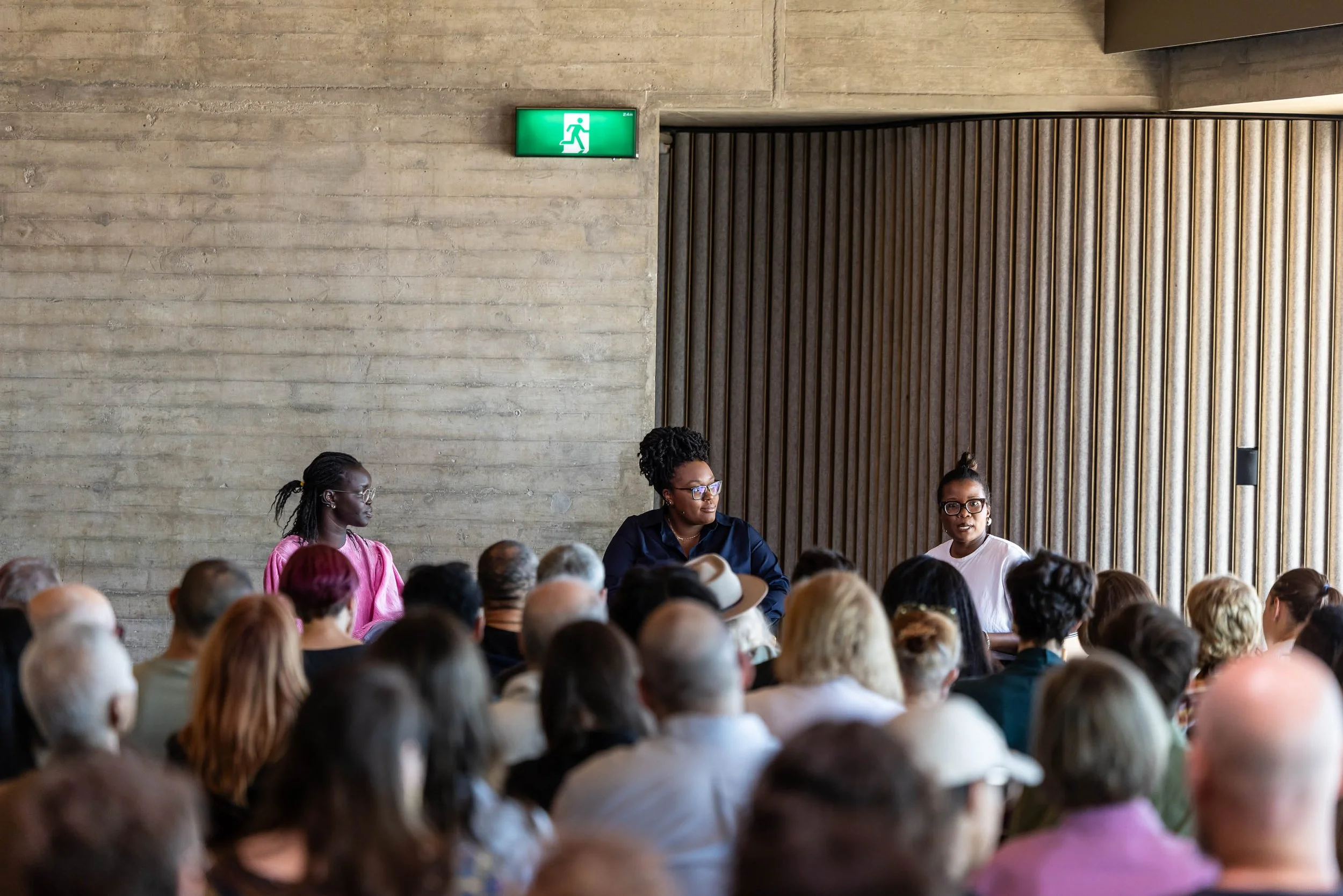
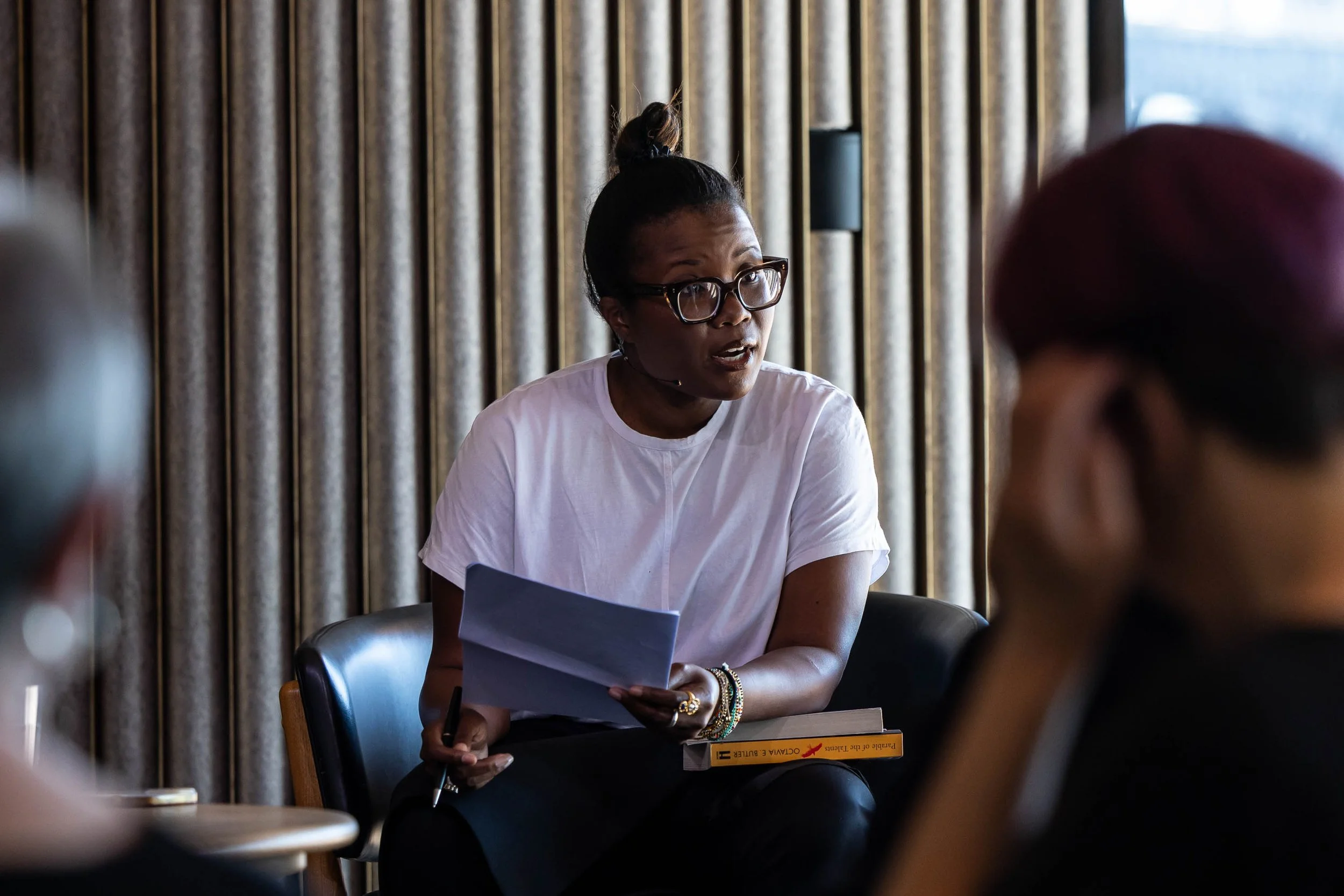
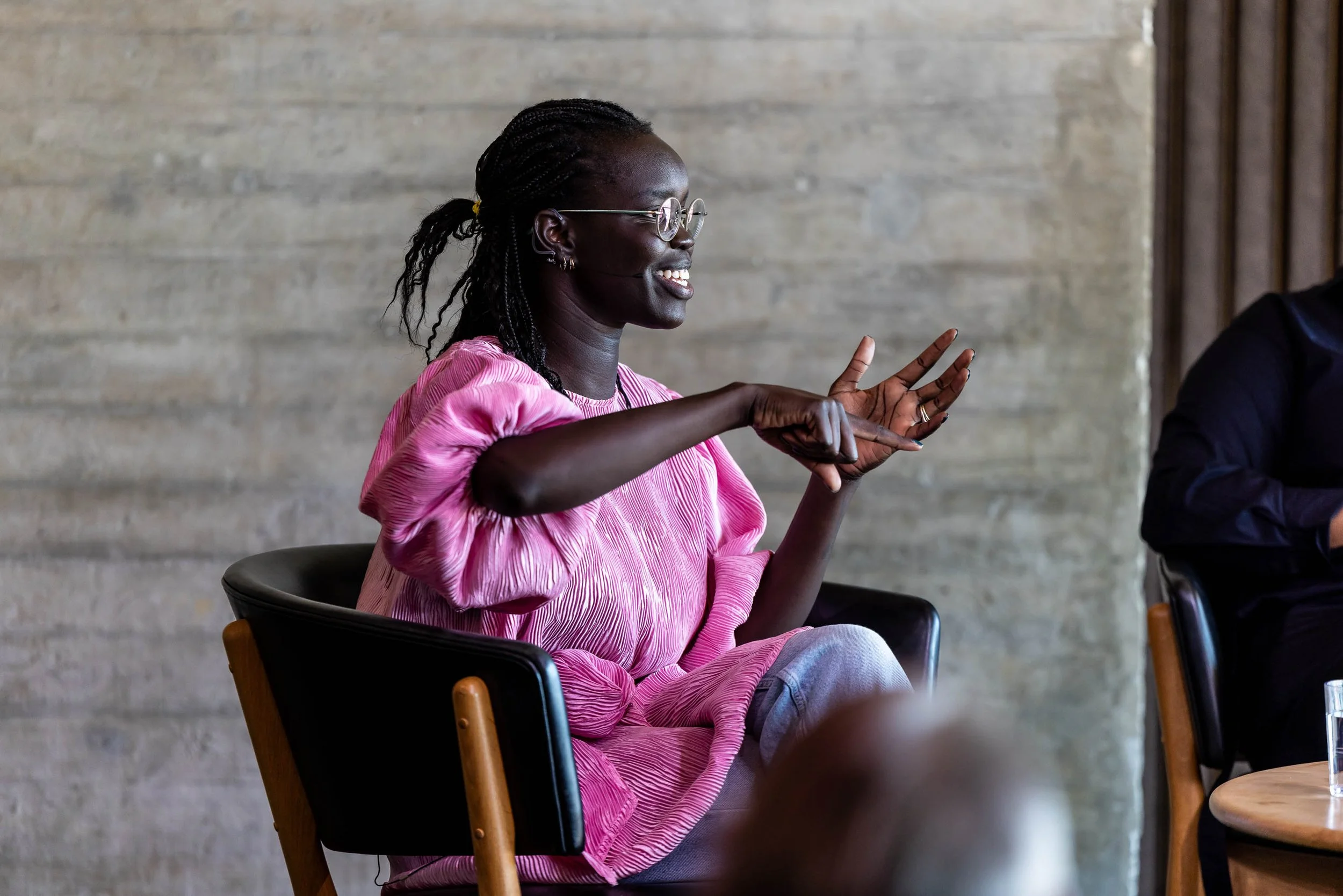
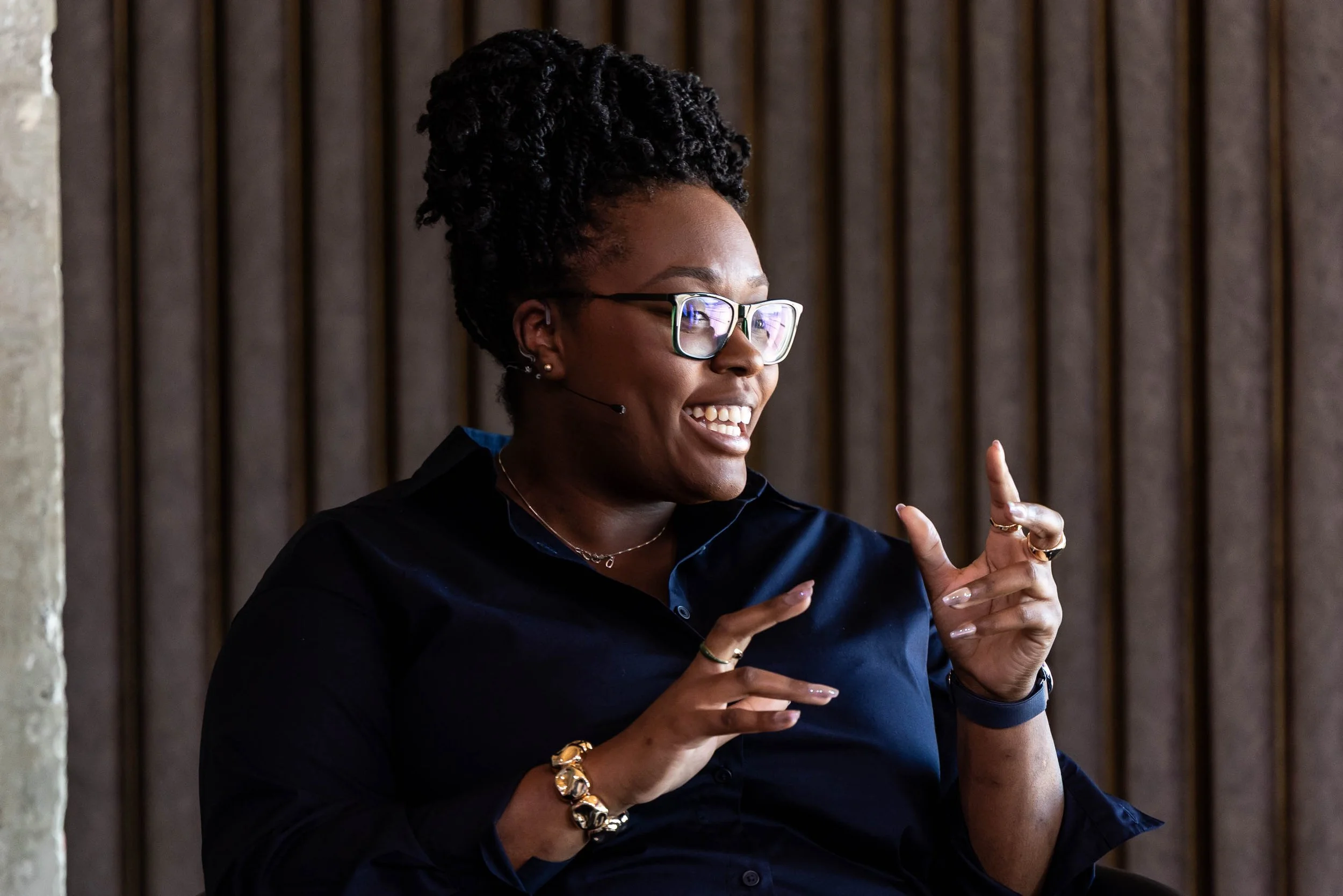
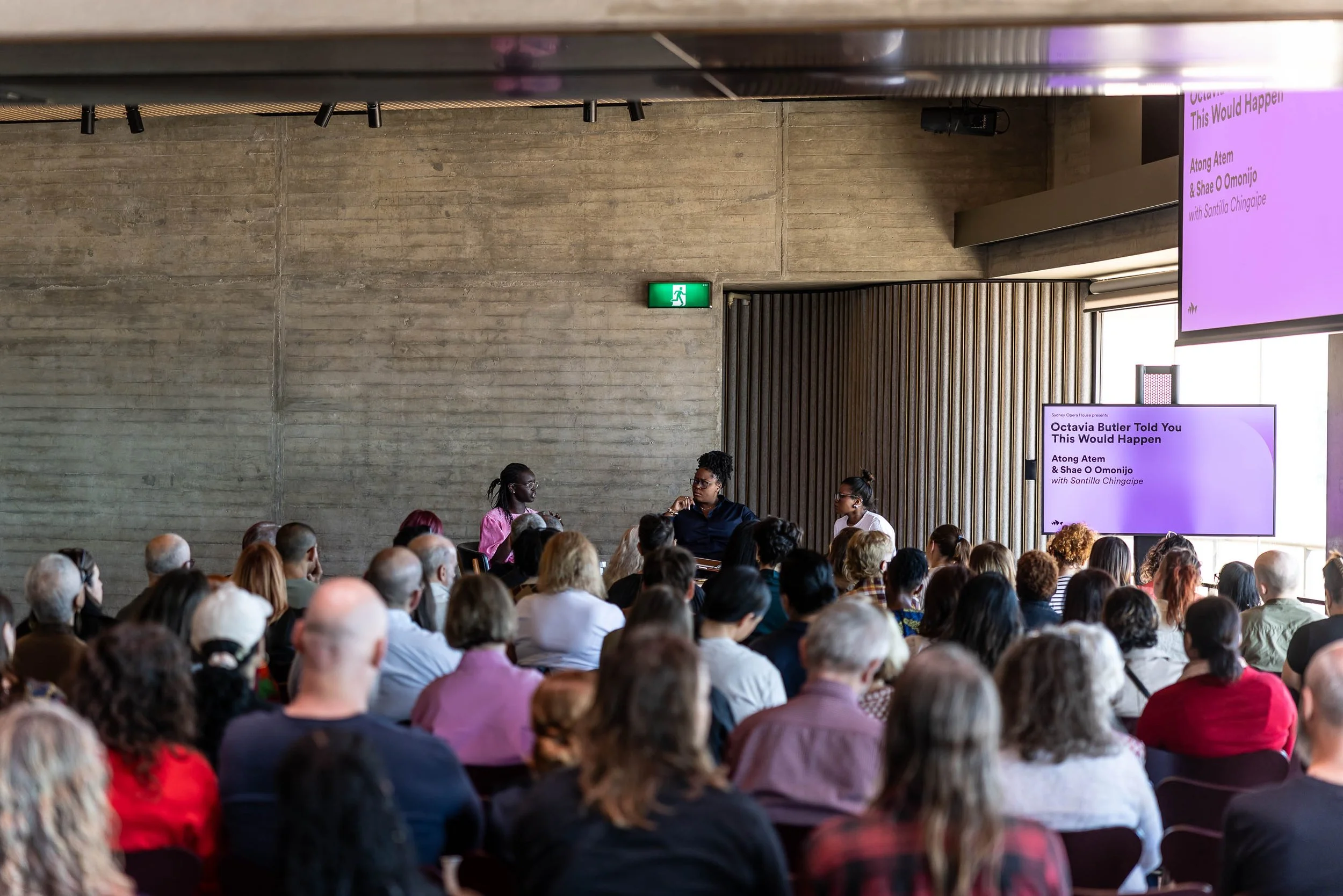
Octavia Butler fans, rejoice! For the Sydney Opera House advanced the true Butlerian agenda (sorry, Judith—and sorry Dune) during their part-bookclub, part-panel-talk, “Octavia Butler Told You This Would Happen.” Held as part of their ‘Curious’ festival, contemporary artist Atong Atem and academic Shae O. Omonijo were led in discussion by Santilla Chingaipe to speak on Butler’s enduring legacy.
Octavia Butler was a Black American science fiction writer working in the late twentieth century, and an early forerunner of the Afrofuturist genre. As she once explained to an interviewer, “I began writing about power because I had so little” (Butler qtd. in Canavan). Her wide-ranging, often bonkers stories (in one, a man is impregnated by an alien—enough said) dismantle, overturn and complicate concepts of power and survival. She was a stubbornly ambiguous storyteller. You’ll finish a Butler novel feeling nothing so much as unsettled.
Butler superfans are not to be taken lightly. Almost all would agree with scholar Gerry Canavan’s assertion that she ranks among “the truly greatest writers of the second half of the twentieth century, both in and out of the science fiction genre” (11). Long before Yesteryear, there was Butler’s Kindred, where a Black woman from the 1980s is thrust back in time to the Antebellum South, and must live as a slave to ensure the survival of her White ancestor—a slave owner—without whom she will never be born, though this necessitates the rape of her enslaved ancestor. Before MAGA, there was 1993’s Parable of the Sower, featuring an apocalyptic Los Angeles in 2024, complete with a president ready to ‘make America great again.’ The year Trump was elected was also the year Butler’s books finally cracked The New York Times bestseller list, eighteen years after her death. Yes—Octavia told us this would happen.
Atem, Omonijo and Chingaipe used Butler’s books as a starting point to extrapolate outwards: to AI, historical cyclicality, and Afrofuturism as an artistic framework. Despite this, only two works from Butler’s oeuvre were discussed. I thought it was a shame that for such a rich writer, her works were only picked out for their historical prescience. None of Butler’s more explicitly science fiction works were discussed, as opposed to her ‘speculative’ fiction. Dawn, Butler’s imagining of a colonising alien force, is widely-regarded as one of her best and most complex bodies of work, and Bloodchild, the aforementioned ‘pregnant man’ short story, won the Hugo, Nebula and Locus awards on publication. Too nerdy, perhaps? It seems tentacles must remain outside the Opera House.
Omonijo addressed this question of historical prediction head on: “Butler was prophetic if you weren’t paying attention.” Butler looked to historical trends to inform her visions of the future. In fact, Kindred’s depiction of slavery is excised anyway—Butler thought the reality of slavery would not make for palatable reading. Margaret Atwood and George Orwell both arrived at mainstream appeal for their ‘speculative’ fiction (decidedly not science fiction, a genre definition which remains a point of contention) while they were still working. Perhaps part of the reason why we’ve rediscovered Butler’s startling works after her death is because, as Atem and Omonijo both identified, we turn to Black women when the world is falling apart.
The emergence of Afrofuturism in the public consciousness is welcome and overdue: it’s a lens through which history and future can be reimagined for people of colour. Atem herself said it was hard to think about art-making outside the lens of Afrofuturism, so crucial is it for her artistic practice. It’s even more necessary and urgent for Australian audiences. Noongar writer Claire G. Coleman coined the term “Indigenous futurisms” as a lens to imagine sovereign spaces for Indigenous people. I would’ve loved to hear a First Nations perspective on what Butler can offer us regarding survival and sovereignty, as her books engage with ideas of Indigeneity and displacement—but alas, our hour was up.
Butler’s Afrofuturist visions are rarely positive. Utopias are never promised; human nature always gets in the way. But Blackness is integral to these futures, and the lines of exclusion are not necessarily drawn according to race. Despite Butler’s resolute pessimism, this, at least, is reassuring.
You, too, can be a Butler superfan… and then move onto other Afrofuturist and Indigenous future artists: Nnedi Okorafor, N.K. Jemisin, and Ryan Coogler. Closer to home, Ellen Van Neerven and Alexis Wright. But read Kindred first. Your head will explode.